

Internet failure during a live event is not rare. It happens more often than people admit. One second everything runs fine; the next second the stream freezes, payments fail, and communication breaks down. This is where Event WiFi solutions stop being optional and become essential.
This blog explains how modern event connectivity works, why traditional setups fail, and how bonding technology keeps everything stable, even under pressure.
Why Traditional Event Internet Fails
Large gatherings put massive stress on networks. Hundreds of users connect at the same time. Local towers get congested. Speeds drop without warning.
Temporary venues add another layer of risk. Open grounds, destination weddings, and remote event locations often lack strong wired infrastructure. Depending on a single broadband or hotspot is risky.
Live streaming makes it even tougher. It needs consistent upload speed, not just basic browsing connectivity. Even a small drop can ruin the entire stream.
What Makes Modern Event WiFi Solutions Reliable
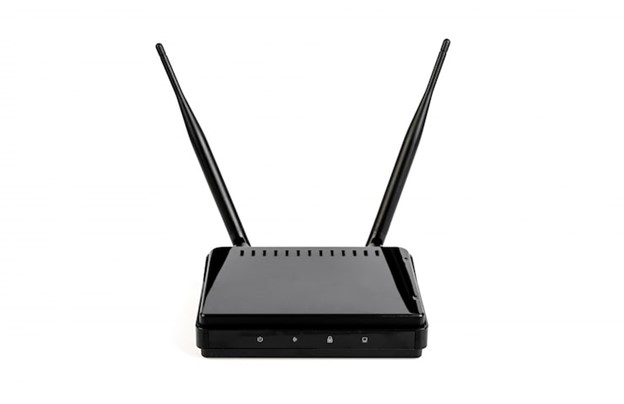
Modern setups focus on one key idea. Do not depend on one network. An internet bonding router combines multiple internet connections into one stable network. It pulls bandwidth from different SIM cards, broadband lines, or WiFi sources and merges them.
This approach is simple but effective. Instead of hoping one connection stays strong, it uses many at once.
How Bonding Routers Support Live Streaming
The best cellular bonding router for live streaming is designed for situations where failure is not acceptable.
Here is how it improves performance during events:
- Combines multiple networks into a single stable connection
- Automatically shifts traffic if one network drops
- Maintains a steady upload speed required for HD streaming
This creates a consistent output, which is exactly what live streaming platforms need.
Real-World Event Use Cases

Bonding technology is already used across different event types. A wedding production team working in a semi-rural venue struggled with unstable internet. After switching to a bonding router with multiple SIM networks, the live stream ran smoothly without interruptions.
Corporate events see similar results. High-attendance conferences often face network congestion. Bonded connections distribute traffic and keep systems responsive.
Media teams covering outdoor events rely heavily on this setup. It allows them to broadcast from locations where traditional internet simply does not hold up.
Key Factors That Improve Event Connectivity
Strong hardware alone is not enough. Setup and planning matter just as much.
- Use SIM cards from different network providers for better coverage
- Check signal strength before the event begins
- Keep backup power to avoid unexpected shutdowns
These small steps reduce risk significantly.
Common Gaps That Cause Failures
Many event setups still follow outdated methods. That is where problems begin.
- Using a single network for all operations
- Ignoring upload speed requirements for streaming
- Skipping proper testing before going live
These gaps are not technical mistakes. They are making mistakes.
Industry Shift Toward Multi-Network Solutions
Event teams, broadcasters, and production crews are moving toward bonding-based setups. The reason is simple. It works.
Instead of chasing one strong signal, they combine multiple average signals into a reliable system. This shift has changed how live events are managed, especially in challenging environments.
Conclusion
Large events demand a stable and uninterrupted internet. Traditional setups cannot handle the pressure of high traffic and live streaming needs.
Event WiFi solutions built on bonding technology solve this by combining multiple networks into one dependable connection. It improves stability, reduces downtime, and supports smooth live streaming.
Reliable connectivity is now part of event success, not an afterthought. Solutions offered by Zifilink align with this need, helping event teams deliver consistent performance without last-minute failures.
FAQs
- What are Event WiFi solutions and why are they important?
Event WiFi solutions provide stable internet for large gatherings, ensuring smooth streaming, communication, and digital operations.
- What is the best cellular bonding router for live streaming?
The best cellular bonding router for live streaming supports multiple networks, offers automatic failover, and maintains stable upload speeds.
- How does an internet bonding router improve event connectivity?
It combines multiple internet connections into one, reducing downtime and improving overall network reliability.
- Can bonding routers handle large crowds at events?
Yes, they distribute network load across multiple connections, making them ideal for high-traffic environments.


About The Author: Sajith
More posts by Sajith